WELCOME TO THE EMERALD CITY. IT'S REAL. IT'S IN MEXICO.
THE HIDE FILES Part II: Factories, Festivals, and 400 Years of Grit
3/6/20265 min read
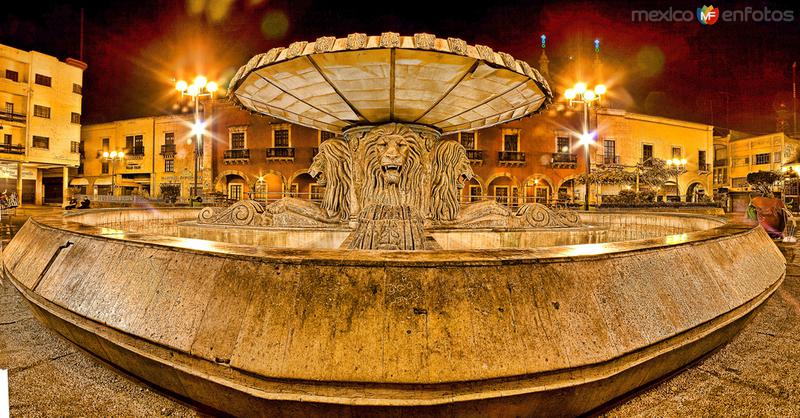
Forget flying monkeys and scarecrows.
There’s a real Emerald City.
It’s in central Mexico. And the “magic” isn’t a wizard.
It’s four hundred years of people making things with their hands.
Bootmakers. Tanners. Leather workers. Families who've been running the same craft game for generations.
Welcome to León.
HOW THIS PLACE HAPPENED
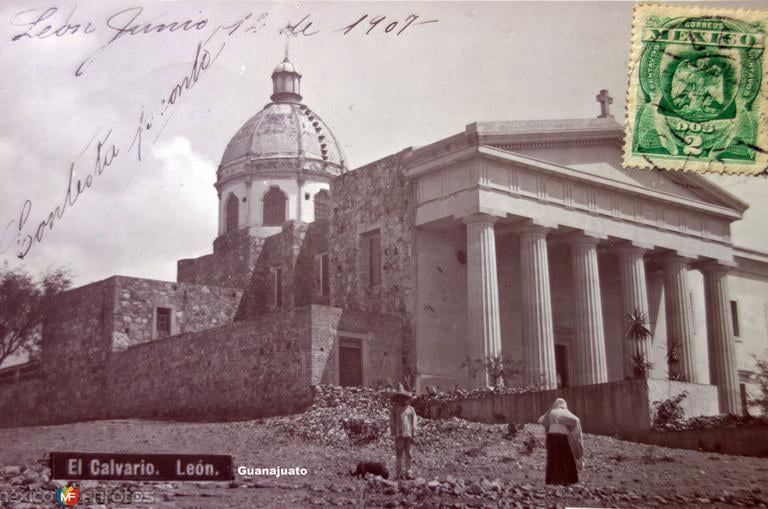
1500s: a Spanish viceroy rolls up. Checks the land. Water’s good. Cattle’s grazing. Spot’s defensible. Locals? Not exactly thrilled about colonization.
They set up shop. First Valle de Señora, then Villa de León.
Tiny town. Barely a blip. 1830 population? Five hundred.
But they brought cattle. And cattle flips everything.
Cattle = hides.
Hides = leather.
Leather = boots, belts, saddles, tools. Life.
Fast forward 400 years: the leather game is still León’s backbone.
NEXT TIME: THE HANDS.
The ones with the calluses. The ones who don't talk about it, they just do it.
Part 3 - You'll meet them. See what 200 steps actually looks like. We're going inside the workshops.
No filter. No tour guide. Just the people who actually do the work. We're going inside.
Stay out of the way.
Image: MéxicoEnFotos / Centli Web Solutions
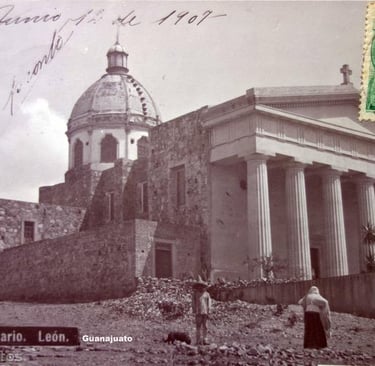
Image: MéxicoEnFotos / Centli Web Solutions
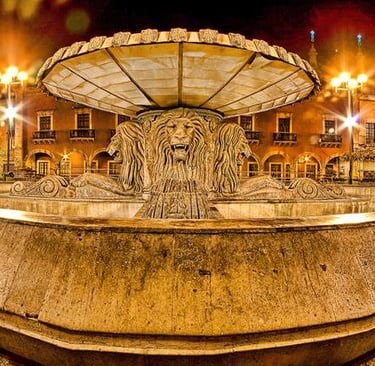
Thumbnail Image: By Juan Carlos Fonseca Mata - Own work, CC BY-SA 4.0, https://commons.wikimedia.org/w/index.php?curid=94093454
THE GREEN BELLIES
Early leather workers had a nickname. “Panzaverde.”
Green bellies. Not a joke.
The dyes used in tanning stained their skin green. You worked hides all day, you went home looking like you’d been dipped in the job.
Permanent reminder of what your hustle.
When the local soccer team needed a name? They leaned into it.
Green Bellies.
Because in León, leather isn’t just an industry.
It’s identity.
THE SCALE IS KINDA INSANE
Let’s put some numbers on this.
Every year León produces 132 million pairs of shoes. 80% of all footwear in Mexico. 25 million pairs exported worldwide.
The region has nearly 8,000 footwear companies. 140,000 direct jobs. Over 400,000 people connected to the industry.
That’s not a niche craft scene. That’s an entire city built around making things well.
HOW IT REALLY STARTED
36 families. Tiny tools. Small workshops. Shoes for the Spanish elite.
Shoes = status. The makers? Indigenous. Spanish. Mixed heritage. Grinding brutal work. Low pay. Body-breaking.
But skill survives.
It passes down. Parent → child. Generation → generation.
1600s: Indigenous communities weaving rebozos. Mexica and Purépecha forging tools and knives.
1645: shoemaking's on.
1808: shoemakers’ association forms.
Then the game-changer hits.
THE RAILROAD CHANGED EVERYTHING
The train brought two things:
Machines: now you can crank out more than two hands can make.
Markets: sell to the world, not just the next town.
Skills + scale = León blows up.
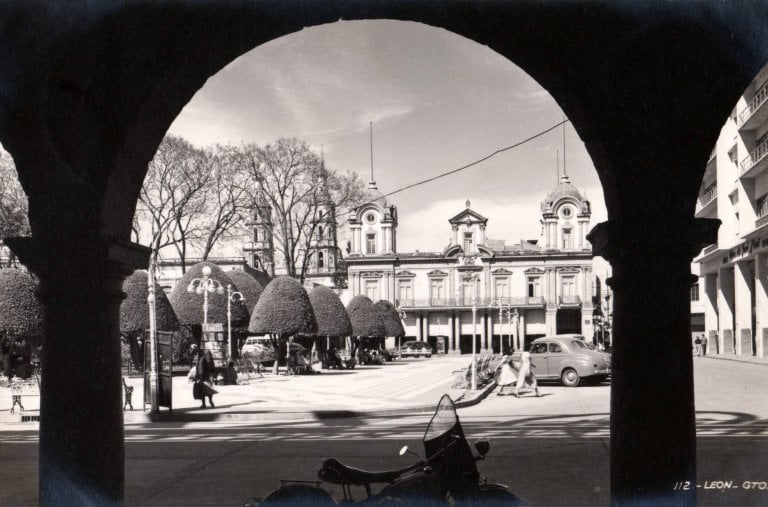
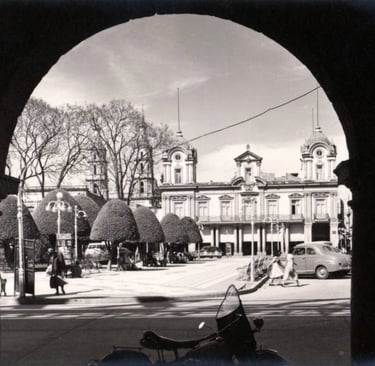
1900s: full-on manufacturing hub. Saddlery. Leather goods. Embroidery. Cotton. Wool. Soap. Cutlery. Flour. Streets wide. Parks. Cathedral.
Underneath it all? Same green bellies grinding.
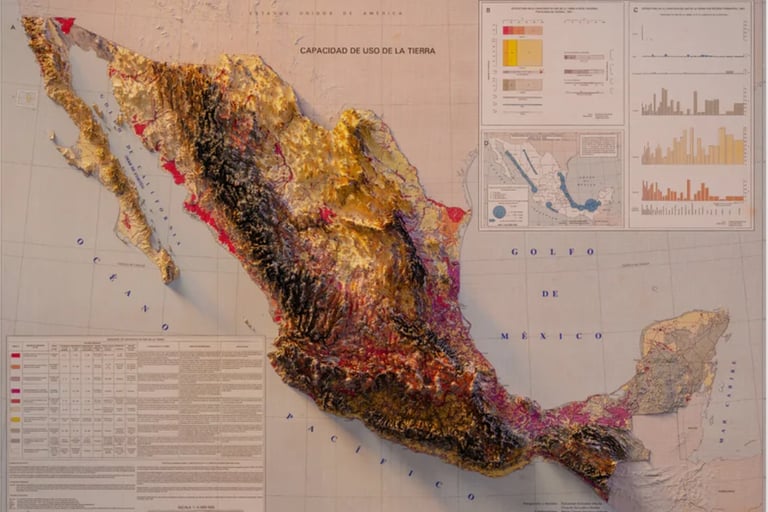
Photo: 4DMAPART
WORLD WAR II - THE MOMENT
U.S. military needs shoes. A lot of shoes. Fast.
They look to Mexico. To León.
Cowboy boot factories flip to military footwear. New machinery floods in. Production explodes. City goes from regional supplier to international powerhouse.
The war made León what it is today.
WHAT THEY BUILT
León isn't just factories. It's a city.
Zona Piel — leather district, workshops, outlets, smell of hide in the air.
Plaza del Zapato — massive shoe and leather mall.
Templo Expiatorio — neo-Gothic cathedral, lit up at night.
Arco de la Calzada — 19th-century arch, bronze lion, city symbol.
Poliforum León — 12,000 person convention center.
Explora Park — green space, walking paths, life.
Population today? 1.7 million people. Fourth largest in Mexico. Connected to six states. A hub for business, culture, tourism.
THIS CITY PARTIES
León isn't just work boots and tanneries.
International Balloon Festival (Nov) — 200+ balloons, sky full of color.
Feria Estatal de León (Aug–Sep) — carnival, concerts, livestock, six million visitors.
Festival del Caballo (Mar) — horses, saddles, spurs, jaripeos, concerts, leather galore.
SAPICA — footwear and leather trade show, top brands worldwide.
THE FOOD
Guanajuato eats hit different.
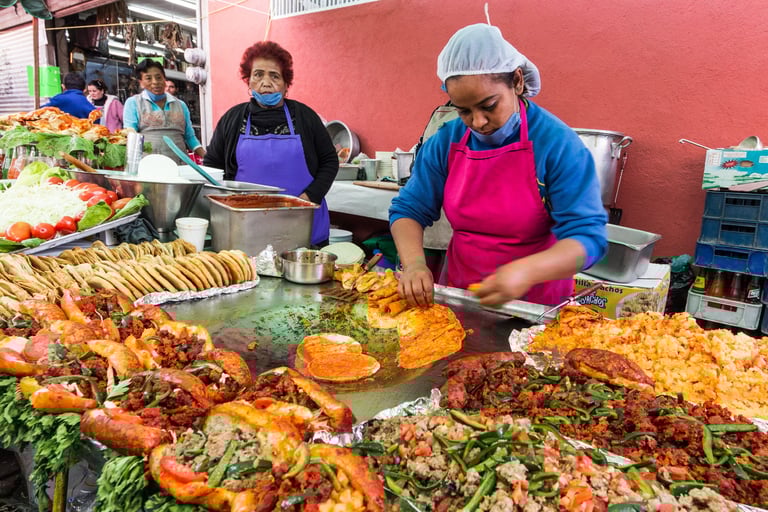
Enchiladas mineras — chicken, red or green salsa, cheese. A miner's dish. Hearty. Real.
Guacamayas — crispy pork sandwiches. Exactly what you want after walking Zona Piel all day.
Gorditas — stuffed with chicharrón. Street food. No frills. Perfect.
Cebadina — local drink you can try on the San Juan de Dios neighborhood tour.
El Palacio de Hierro patios let you soak up food culture without leaving the retail zone.
Photo: MéxicoEnFotos / Centli Web Solutions.
THE FUTURE IS GREEN
León's going hard on sustainability. Bike lanes all over the city. Wastewater systems that treat and reuse water from tanneries.
Factories using cogeneration to produce their own power more efficiently.
Some of the major tanneries are Leather Working Group Gold certified. They’re meeting some of the strictest environmental standards in the industry.
See Part I of this series: Clean Leather for a deep dive on that.
THE BRANDS YOU KNOW
Odds are you’ve worn something made in León.
Tecovas, Thursday Boot Company, Frye, Wolverine, and Lucchese all source production from the region.
High-end niche brand Yuketen build their most complicated footwear here because the skill level is that good.
Local legend Unmarked cranking out insanely detailed boots with lemon-wood pegs, invisible stitching channels, and full leather lining. Details you almost never see anymore.
Smaller shops like Botas Je-Ver, Botas Jaca, and Rancho Boots. Handmade cowboy boots. Crocodile. Ostrich. Snake.
Real craft.
WHAT THIS MEANS
León's no one-and-done visit. It keeps pulling you back.
Work never stops. Families grind. Tannery fires burn. Festivals blow up bigger every year.
400 years of green bellies, railroads, wartime contracts, Sunday markets.
That's the Emerald City.
No wizard. No brick road.
Just leather, fire, and people who've been doing this so long it's in their blood.
FINAL CALL
León: Factories, Festivals, and 400 Years of Grit.
Not a slogan. Just facts.
When you buy a boot made in León, you're not just buying footwear. You're buying into a system.
Hide tanned by folks taught by their grandparents.
Stitches done in workshops running for decades.
A city built on craft.
Opposite of fast fashion.
It's slow. It's deliberate. And it's worth paying for.
Photo: © Tomas Castelazo, www.tomascastelazo.com / Wikimedia Commons, CC BY-SA 4.0,
Contact
Questions or thoughts? Reach out anytime.
hello@cutandkept.com
© 2026. All rights reserved.