THE CLEANEST LEATHER IN THE WORLD IS MADE IN LEÓN
THE HIDE FILES Part I: Cleaner Leather
2/27/20265 min read
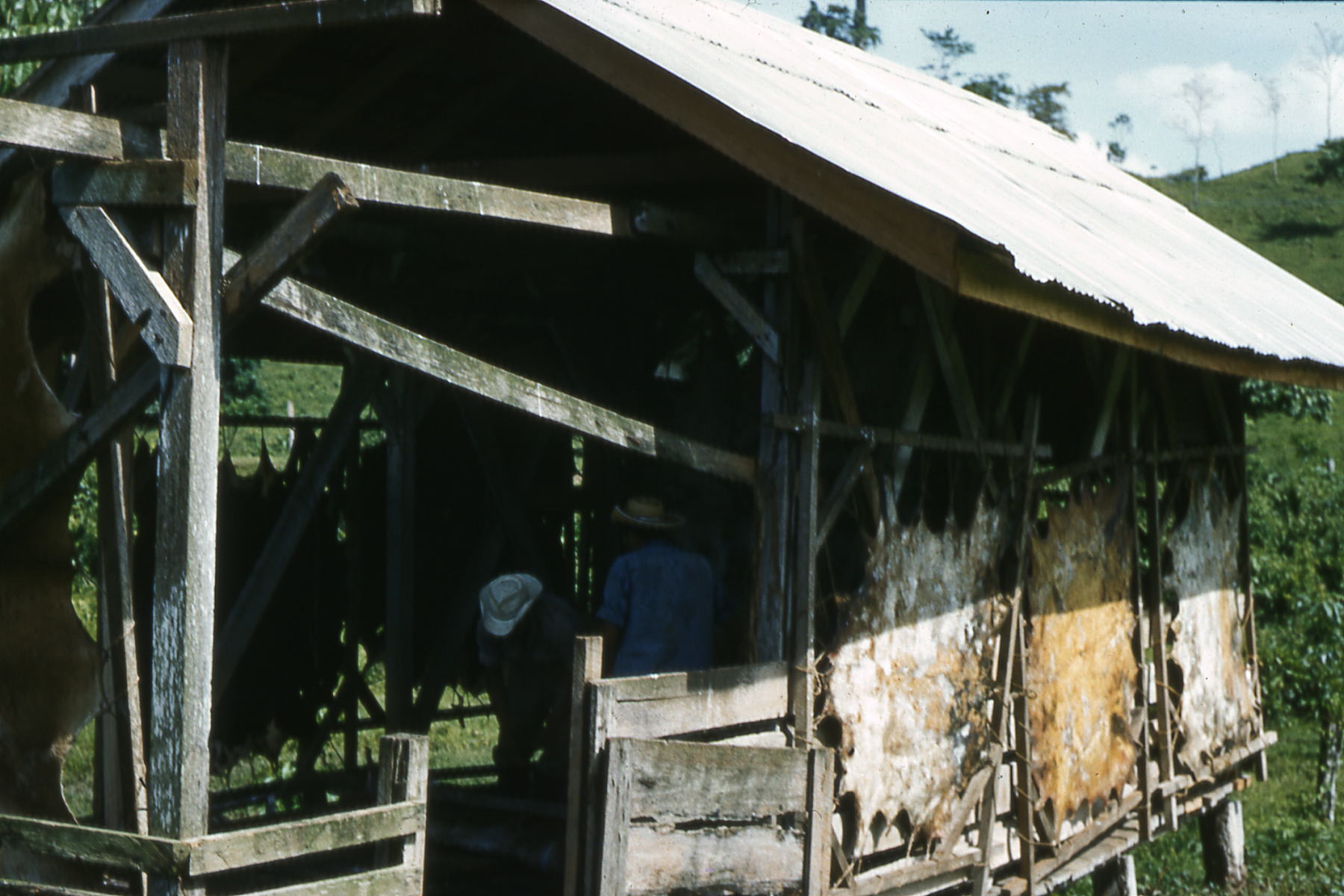
Here's what nobody tells you about leather.
The cheap shit? Chrome-tanned. Full of heavy metals. Leaves toxic sludge behind. The "eco-friendly" vegan shit? Often plastic. Not exactly a win.
So where do you go when you want leather that's actually good — for you and for the planet?
León, Mexico.
Bet you weren't expecting that.
WHY LEÓN?
This city's been making shoes since the 1500s. Four hundred years of tanners and bootmakers. Passing it down through families.
But here's the part nobody talks about. Some of the tanneries here aren't just old. They're light-years ahead of the rest of the world.
Zero liquid discharge. CO₂-based tanning. Vegetable tanning that's been completely reimagined.
We're not talking about "less bad." We're talking about genuinely clean.
This isn't greenwashing. It's real. And it's happening in a city most people can't find on a map.
THE TECHNOLOGY THAT CHANGES EVERYTHING
Let's get specific. Here's what the best tanneries in León are doing right now:
Zero Liquid Discharge
Every drop of water is treated and recycled. Nothing contaminated leaves the facility.
No toxic wastewater. No poisoning local rivers.
CO₂-Based Tanning
Compressed carbon dioxide carries tanning agents. No water needed.
40% less chrome. 100% less wastewater. Pays for itself in two years.
Vegetable Tanning 2.0
Plant-based agents from tree bark and leaves. Renewable. Sustainable.
No heavy metals. No toxic sludge. Just... trees.
Hair-Saving Unhairing
Recovers hair instead of dissolving it. Less toxic waste.
Hair becomes fertilizer instead of sludge. Genius.
Metal-Free Tanning
Replaces chromium with organic compounds.
No heavy metals in wastewater. No toxic byproducts. Ever.
Short version? This is the real deal.
THE TANNERIES MAKING IT HAPPEN
Two names to know:
Le Farc. One of León's most advanced facilities. Zero discharge. Vegetable tanning. Generations of knowledge running through every batch.
Fourth-generation family business. Founded 1994.
They do 2 million square feet of leather a month. That's not a small operation.
335 people work there. Their leather goes to 15 countries. Clients include Timberland and Wolverine.
Their mission, straight from their site:
"To become the most sustainable tannery in America."
That's not a slogan. That's what they're actually doing.
Reforestation projects. Cleaning up rivers and lakes. Educational programs for the community.
Alfamex. Same story. Quiet. World-class. They've been doing this for decades. Not for PR. Because it's the right way to work.
These guys don't do the whole tanning process. They just do drying.
And they're world-class at it.
Founded in 2015. Built to serve the tanneries around them. They dry 15,000 hides a week.
Methods? Bauce. Wet stretch. Vacuum. Air drying. All of it.
High-tech machinery. Constant innovation. One job, done right.
These aren't experimental startups. They're established tanneries that invested in doing it right. Before it was trendy.
THE XEROS DEAL (THIS ONE'S WILD)
In 2018, Le Farc signed a 10-year contract with a British tech company called Xeros.
Xeros developed a polymer technology that uses scrubbing beads instead of giant drums of water and chemicals.
Think washing your clothes with a few cups of water instead of a whole machine full.
The results?
Material reductions across the board.
Dramatically less polluted wastewater.
Same quality leather.
They tested it on 40 different recipes with tanneries across Europe and Mexico before rolling it out.
This isn't a pilot program. It's production. At scale.
Le Farc does 5,000 hides a week. Their leather goes to brands like Timberland and Wolverine.
When those companies need clean leather? Yeah, they come here.
STAHL CAMPUS MEXICO: TRAINING THE NEXT GENERATION
Technology's useless if nobody knows how to use it. That's where Stahl comes in.
Stahl is a Dutch leather chemicals company. They run four "centers of excellence" worldwide. One of them is in León.
Here, local tanners get trained on:
Hair-saving unhairing (instead of dissolving it)
Reduced sulfide and lime use
Metal-free tanning (no chrome at all)
Water reduction across every stage
Hydrogen sulfide gas prevention (safer for workers)
Postbiotics in leather processing (yes, that's a thing)
People from CICUR (the Leather Industry Chamber of Guanajuato) go through week-long programs. Then take what they learn back to their shops.
This is how an entire industry upgrades itself.
Not by buying one machine.
By training hundreds of people.
THE ENVIRONMENTAL ASSESSMENT (REAL DATA)
This isn't marketing. A 2023 case study at two León tanneries measured actual environmental impacts:
Global warming-related impacts: 8,744.51 kg CO2eq
Climate change-related impacts: 10,582.75 kg CO2eq
A review of 35 chemicals identified hazardous substances that could be replaced
The point? León's tanneries aren't hiding. They're being studied.
Measured.
And improved.
That's the difference between greenwashing and real progress.
Don't believe me? Read the report yourself.
WHY THIS MATTERS
When you buy boots made in León? You're not just buying leather. You're buying into a system.
The hide was tanned without poisoning anyone.
The workers come from families who've done this for 400 years.
The city itself exists because of this craft.
That's the opposite of fast fashion.
It's slow. It's deliberate. And it's worth paying for.
Here's the thing about León's tanneries.
They're not just "less bad." They're building something genuinely better.
When Le Farc partnered with Xeros, they didn't have to. They could have kept doing things the old way.
But they chose to invest in technology that radically reduces pollution, saves water. And still produces leather good enough for global brands.
When Stahl opened their training campus in León? They didn't have to do it there. They chose León because the tanneries here want to learn.
This isn't about perfection. It's about direction.
The leather industry has a dirty history. Everyone knows it. But León is proof that it doesn't have to stay that way.
And that matters for more than just boots.
CHARACTER CHECK
León is a reminder that real style has roots. When you buy boots made from leather that didn't poison a river, stitched by hands that learned from their grandparents? Those aren't accessories. They're evidence.
Evidence that you pay attention.
Evidence that you care where things come from.
Evidence that you're willing to wait for something built right.
Not grab whatever's cheapest and fastest.
That's not just style. That's character.
FINAL CALL
Leather from León isn't for everyone.
It's for guys who care where things come from. Who'd rather wait for something real than grab something fast.
That's not snobbery. That's just paying attention.
And attention? That's the whole game.
When you choose a boot made this way — from a tannery that's actually trying to do better — you're not just buying footwear.
You're casting a vote.
For the kind of world you want to live in.
One where craft still matters. Where families pass down knowledge. Where industry can change. Where technology cleans up old messes. Where progress is real.
Where the things you own have stories worth telling.
WHAT'S NEXT
This was Part One.
The tanneries. The technology. The proof that leather can evolve.
Part Two? We go deeper.
León itself. Four hundred years of bootmakers. Families who've been stitching hides since before the United States existed.
That's where the real story lives.
But that's for next time.
For now, just know this:
The cleanest leather in the world isn't made in Italy or France. It's made in León, by tanneries that actually give a damn.
And that's the kind of thing worth keeping.
Image Credits
Thumbnail: Four men scraping hides at a tannery, circa 1930s. Image: FreeImages.com
Photo: Allen Drebert, 1957–1961. Public domain.
Contact
Questions or thoughts? Reach out anytime.
hello@cutandkept.com
© 2026. All rights reserved.