NATURE DOESN'T GIVE PARTICIPATION TROPHIES
No shortcuts. No excuses. Grow.
3/16/20265 min read
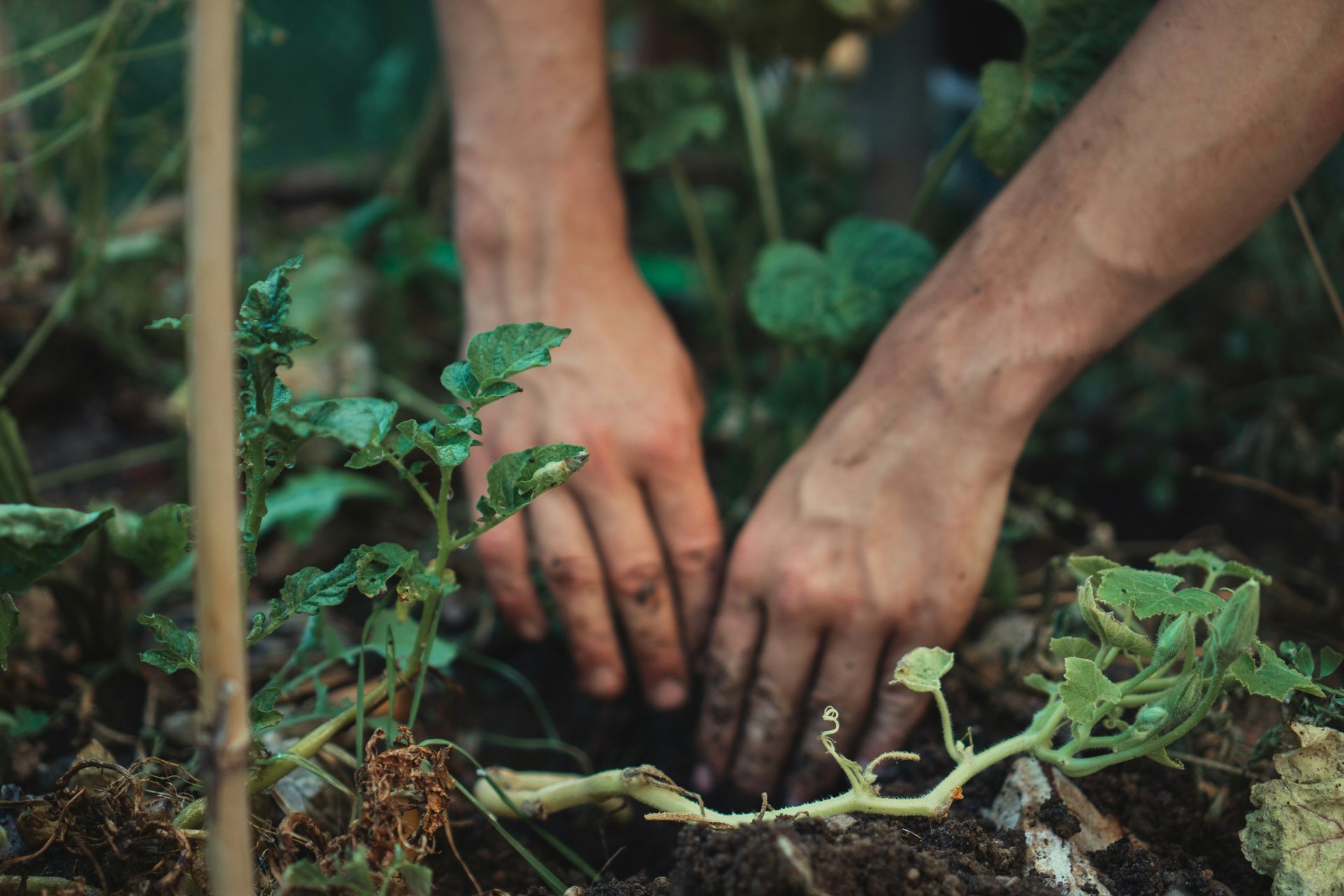
The garden doesn’t care about your intentions. It doesn’t care that you bought cute pots or posted about your “new garden era.”
Rush it. Skip a step.
Two weeks later, the seedlings look like they survived a house fire.
Three weeks? Your cucumbers are diseased.
By July, the squirrels steal the only zucchini that survived and suddenly gardening is “too hard.”
No.
You fell for the Pinterest myth.
The dirt keeps score. Gardening is slow. Patient. Ruthless. It needs the right tools.
You make one tiny mistake, the clock doesn’t just tick forward. It resets.
Not tomorrow.
Next year.
Gardening isn’t decorative. It’s tactical. Every choice has consequences.
Plan poorly? You get nothing.
Plan well? You get proof.
Real, tangible proof of skill, patience, and effort.
It’s a challenge where discipline pays off, shortcuts fail, and the work you put in is impossible to fake. The garden doesn’t negotiate. It doesn’t compromise.
It rewards the person who thinks ahead, adapts, and takes responsibility for every outcome.
Most of what I know came from years of mistakes that cost an entire season. You learn fast when the penalty is twelve months.
I’ve lost enough to know what survives. Here’s the system that finally stopped the annual disappointment.
Photo: Jonathan Kemper
Thumbnail photo: Annie Spratt
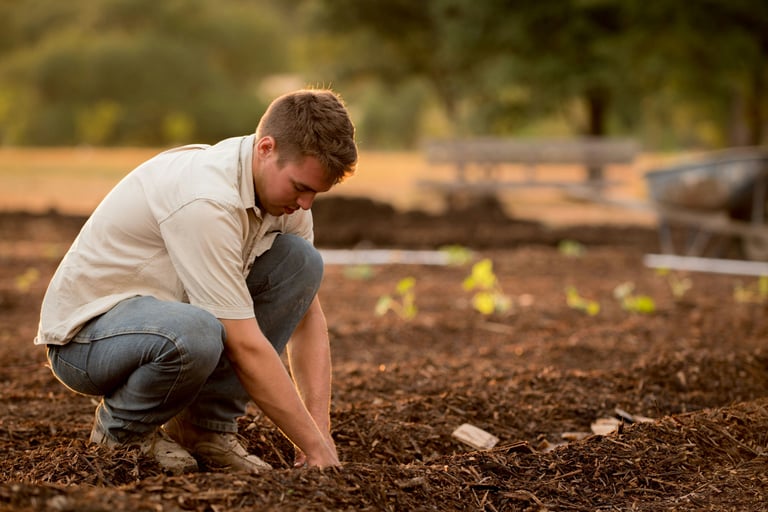
KNOW YOUR SEASON
You can’t just plant seeds whenever you feel cute.
You need research.
Frost dates.
Hardiness zones.
All of it.
In the US? Use the Old Farmer's Almanac Planting Calendar. Free. Accurate. Reliable since 1792.
Not in the US? Your local agricultural extension service has the same data. Use it.
Tomatoes? Peppers? Eggplants? Each one has a clock. Miss it, and you’re benching your whole season.
Start seeds indoors. Move them outside when it’s warm enough. Simple.
Cow pots = total cheat code. Manure shaped into a planter. Roots grow straight through the wall once transplanted.
The plant barely notices the move.
WHAT YOU NEED ISN'T A WINDOWSILL
Windowsill seedlings? Congratulations, you just bred failures.
They stretch toward the light, trying to survive. You end up with long, thin stems that fall over the moment life gets difficult.
Use a simple grow light.
Hang it a 2 - 3 inches above the seedlings and raise it as they grow. Run it 14–16 hours a day. Not optional.
Plants stay short, stocky, and stable. Exactly what you want before they face the outside world.
Photo: Jed Owen
CONDITION LIKE A CHAMP
Indoor plants grow up spoiled.
No wind. No sun. No real challenge = weak stems.
Fan them. Hardening is preparation, not pampering. Nature's version of "toughen up."
Do your homework. Check when it’s safe to transplant in your region. And don’t just dump them in the sun.
Leaves burn. Growth stalls.
Ease them into reality. 30 minutes the first day. An hour the next. Ramp up until they can handle the real world.
MOBILITY VS. POWER
Containers - Good for patios, decks, small yards. Easy to control soil. Easy to move around.
Also dry out like crazy. July sun turns them into ovens.
Raised beds - Real production. Real commitment.
Better soil. Better drainage. Roots spread deeper. Plants get bigger. Harvests get heavier.
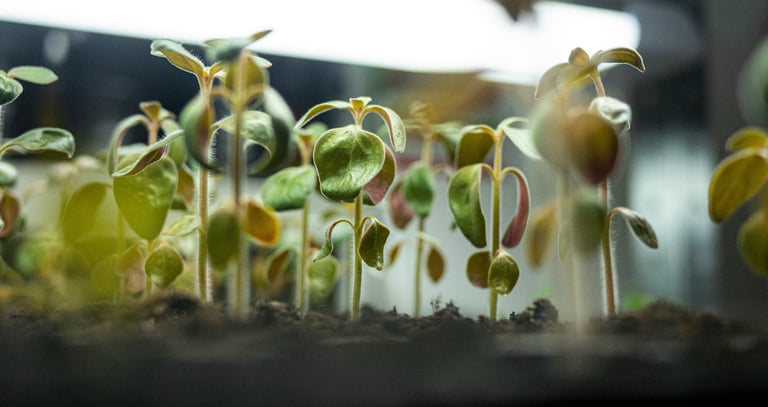
Photo: Nik Shuliahin
GO IN WITH A PLAN
Soil is everything.
Good soil is alive, well-draining, rich in organic matter. Amend with compost or well-rotted manure. Test pH if you want to stop guessing.
If your soil looks like brick when dry, fix it before you plant anything.
Healthy soil = strong plants = fewer diseases.
Spacing matters.
Seed packets are optimistic. Those tiny seedlings? They explode.
Crowding is how you lose. It invites disease. Weak growth. A harvest that looks like it lost a bar fight.
Spacing that works:
Tomatoes: 24–36 inches
Peppers: 18–24 inches
Cucumbers: 12–18 inches
Companions.
Some plants help each other grow.
Some combinations confuse pests. Others improve soil. Wrong combinations compete for resources.
Garden layout matters. Use this chart or learn the hard way.
WATER LIKE YOU MEAN IT
Soak the soil, not the leaves. Water on the foliage and you invite disease.
Shallow watering is lazy. Train the roots to chase moisture. Deep watering builds strength. You're preparing them for July’s heat.
Shallow roots? Weak plants. Weak plants? No harvest. No harvest? Cry in September.
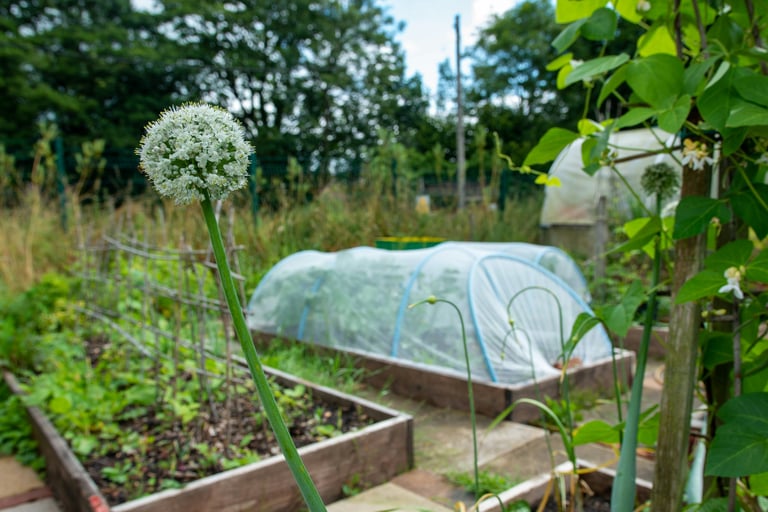
Photo: Matt Baker
BE RUTHLESS
Defend.
Fresh transplants are dinner bells for wildlife. Wire cages, mesh covers, netting - do it. You can’t bargain with squirrels. Or rabbits. Or your neighbor’s cat.
Keep an eye out for pests: Caterpillars. Aphids. Hornworms.
Hand-remove them.
Use row covers.
Spray if you have to.
Don’t lose your harvest because you looked away.
GROOM WITH INTENTION
Tomatoes - aggressive growers.
Pinch suckers if you want fewer, larger fruits. Leave them if you want a jungle and smaller harvests.
Precision matters. Sharp pruners, clean cuts. Do it sloppy? You cost yourself fruit. Skill shows in the harvest. Here's how to do it right.
Strip some lower leaves to prevent disease.
And when you transplant? Bury part of the stem. Tomatoes grow roots along buried stems. Most plants would rot. Tomatoes thrive.
Peppers - controlled brutality is rewarded.
Top the plant at about 8–10 inches.
It forces branching and multiplies fruit sites.
Remove some inner leaves to keep airflow strong and push energy toward fruit.
Suckers can stay for bushier plants or go if you want tighter structure.
Your choice. Just be intentional.
Cucumbers - vines pretending to be chaos.
Let them sprawl, they invite disease.
Train them up a trellis instead.
Prune lower leaves and extra suckers to direct energy upward and improve airflow. Killer fungus hates that.
Weekly spray of copper fungicide or neem oil. Ignore it, and you’re crying.
That's the short version. The long version lives in the university extensions, growing guides, people who've forgotten more than I know.
Every plant plays by different rules. Learn them. Master them.
SUPPORT & PROTECT
Stakes. Trellises. Cages. Install them when you transplant. Do it later, you destroy roots.
Your work is a target. Birds. Squirrels. Cats. They don’t care about your effort. Protect it. Netting, bags, covers.
If you fail here, you lose. Defend your territory or watch the harvest disappear. You choose.
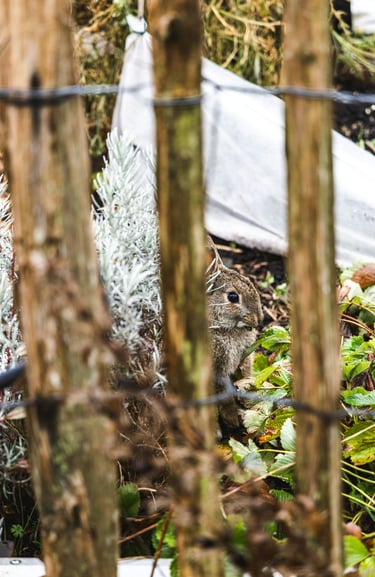
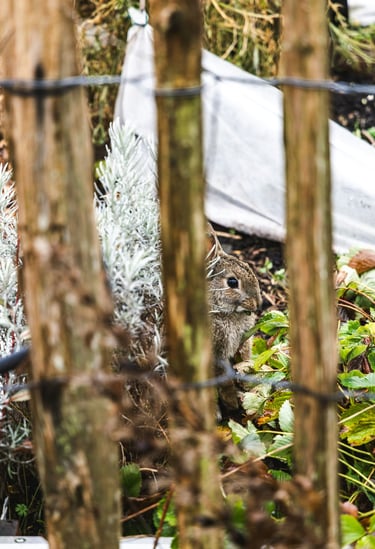
Photo: Iona Sabua
SAVE YOUR SEEDS
Harvest the winners. Save the seeds. Next season, you plant only proven champions.
That’s how your garden becomes stronger, smarter, and unstoppable year after year.
FINAL CALL
The garden doesn't care about your intentions. It cares whether you actually did the work when you were supposed to.
It's a long conversation with time.
What you do in March decides August.
Tomatoes warm from the sun.
Peppers heavy on the plant.
Seeds drying on the counter for next year.
Timing, attention, and execution are rewarded.
Rush it? You fail. Patience? You feast.
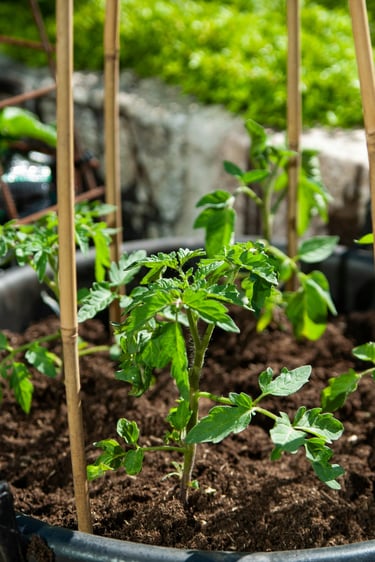
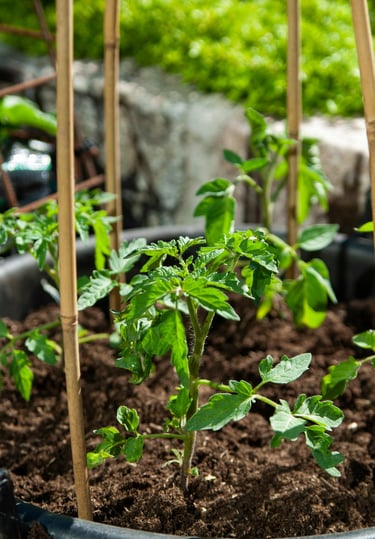
Photo: Jorien Loman
Contact
Questions or thoughts? Reach out anytime.
hello@cutandkept.com
© 2026. All rights reserved.