DISCIPLINE TASTES LIKE STEAK.
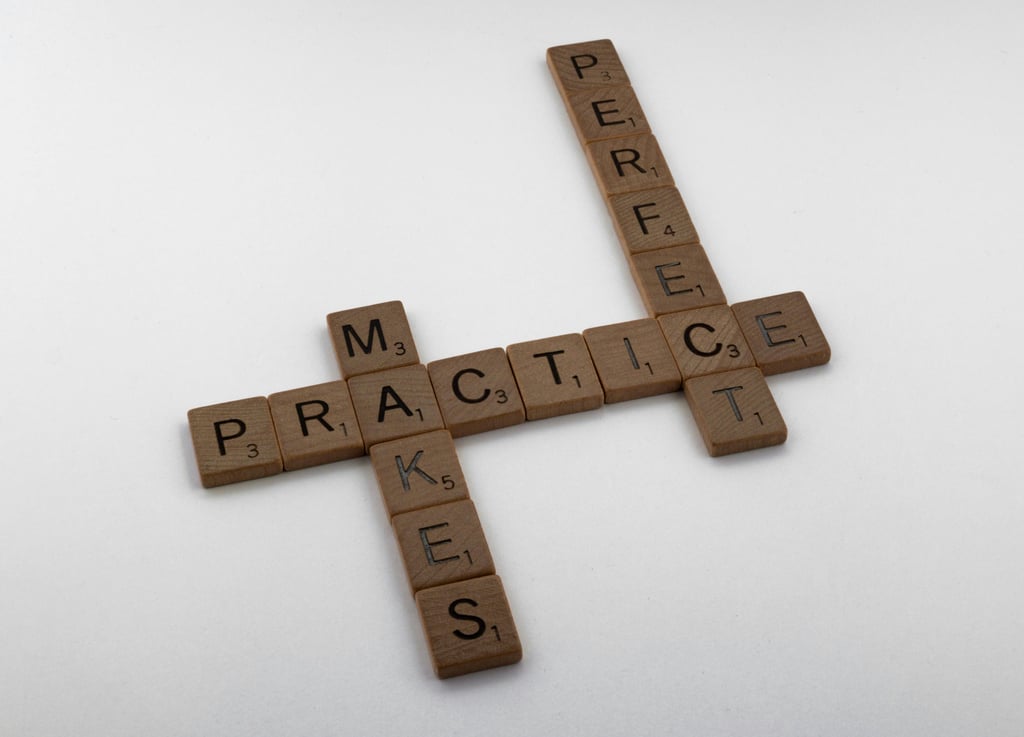
Small reps. Big Life.
3/12/20264 min read
Everyone has that thing they do on autopilot.
Your morning coffee. Lacing your boots. A sequence you've repeated so many times your hands know it before your brain does.
For me?
It’s palomilla steak.
I’ve made it so many times I don’t even think about it anymore. My hands just do it. The timing’s automatic. The marinade, the heat, the sear. It’s all locked in.
That’s not cooking.
That’s practice.
And practice is where everything changes.

FLAVOR STARTS HERE
At this point, I don’t measure anything. I just know.
Olive oil.
A splash of vinegar or lime.
Garlic.
Cumin.
Oregano.
Fresh cilantro.
Mix it all in a bowl.
Then the steak goes in. Traditionally flank steam. Pounded thin. Me? Stir-fry strips. Easier to cut. Easier to eat. Same flavor, less wrestling.
Toss it until every piece is coated.
And then?
Leave it alone.
Not for an hour. Not for two.
Overnight.
I know. Brutal.
Modern society has trained everyone to expect results in the time it takes to microwave a burrito.
But flavor doesn’t work like that.
Acid needs time to break things down. Garlic needs time to get into the meat. All those separate ingredients need time to stop acting like strangers and start acting like a team.
You can’t rush it.
You can only wait.
Which apparently is a superpower now.


Photo: Annie Spratt
BRING THE HEAT
Next day, pull the steak out. Should be room temp. Then get your pan screaming hot.
Not medium.
Not kinda hot.
I’m talking just starting to smoke.
Lay the meat in. It should hiss like it's pissed you showed up.
If it doesn’t hiss, your pan is weak. And so is your patience.
Don’t crowd it. Work in batches if you have to. These cuts are thin. They cook fast. Maybe a minute a side. Maybe two.
You’re not trying to be fancy.
You’re just giving the steak heat, color, and getting out of the way.
SEAL IT
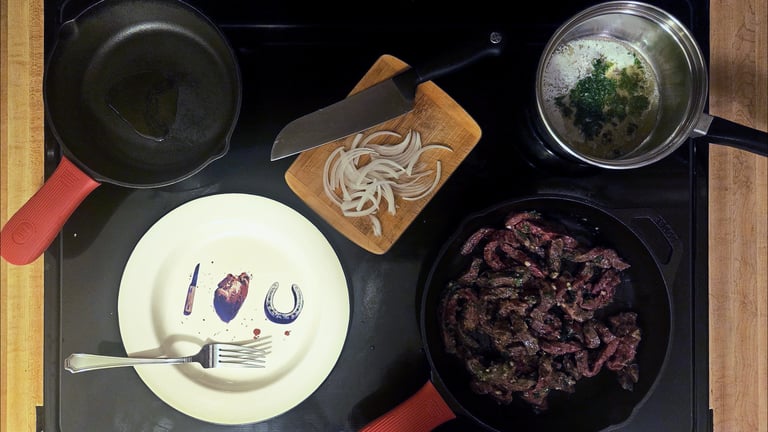
While the steak rests, melt butter in a pan. Squeeze in fresh lime. Toss in more cilantro. Warm it up. Let it come together.
Pour it over the steak on the plate. Every bite gets coated.
Top with sautéed white onion. Soft, sweet, a little char.
Done.
No foam. No tweezers. No culinary gymnastics.
Just food that tastes like someone actually cared enough to pay attention.


Photo: Parsa Mahmoudi
THE PAYOFF
Another thing people get wrong about discipline: They think it shows up during big moments.
It doesn’t.
Discipline lives in boring places.
In the marinade you set up the night before. In waiting for the pan to actually get hot instead of rushing it. In doing the same simple process again and again.
That’s where it lives. Small reps.
Over time those reps start stacking up.
Not just in the kitchen.
In you.
The steak is just food.
The focus you bring to it? That carries everywhere.
If you can't wait overnight for a better steak? You probably can't wait for long-term results.
If you can't pay attention to a hot pan? You probably can't pay attention in the gym. At work. In relationships.
Attention. Patience. The refusal to half-ass something simple just because nobody’s watching.
That's discipline. Cooking just happens to be a training ground.
SAME MOVES EVERY TIME
After enough times, you stop thinking about it.
Your hands just move.
Oil.
Garlic.
Cumin.
Cilantro.
Steak in the bowl.
Next day — hot pan.
One minute.
Flip.
Add butter and onions.
Done.
You’re not guessing anymore. You’re not experimenting.
You’re executing.
Because repetition does something strange.
It turns effort into instinct.
And when something becomes instinct, it stops being hard. That’s when discipline stops feeling like discipline.
It just feels like who you are.
FINAL CALL
By now the steak isn’t just food. It’s proof. Proof that small, steady acts done again and again change the person doing them.
The discipline you build in small places — the quiet parts of your routine — doesn’t stay there.
It follows you everywhere.
Keep cooking. Keep showing up. Keep doing the small things until they're not small anymore.
Photo: KC Shum
REPETITION CHANGES YOU
People act like discipline is this mysterious, elite personality trait reserved for monks and Navy SEALs. It's not.
It’s just repetition without whining.
When you repeat something over and over, it stops being a task. It becomes a ritual. Something steady in a world that’s loud and chaotic.
One little routine teaches you a lot more than how to cook a steak.
It teaches you patience.
The marinade needs time. You can’t rush it.
It teaches you focus.
The pan has to be hot. You can’t be scrolling your phone when the meat hits.
And it teaches you something easy to forget: Good things usually aren’t complicated.
They just take time and attention.
And that lesson has nothing to do with food. It has everything to do with who you are becoming.
Because the guy who can do one thing well without distraction, without shortcuts, is the same guy who can build strength. Build discipline. Build a life that works.
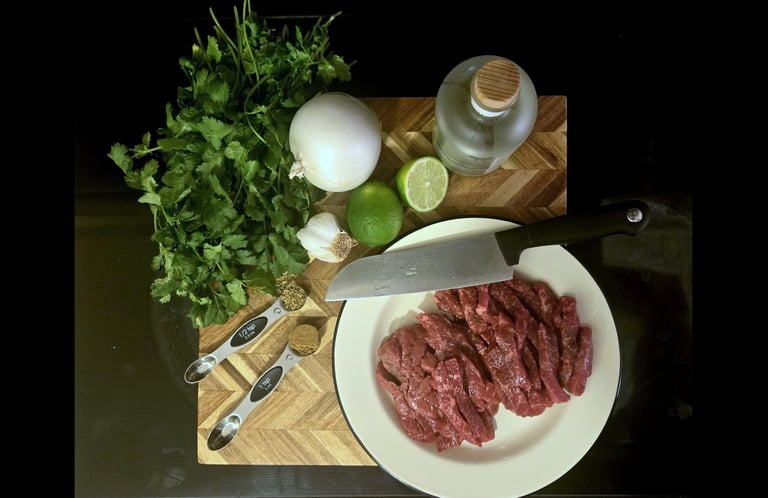
Photo: Brett Jordan
Contact
Questions or thoughts? Reach out anytime.
hello@cutandkept.com
© 2026. All rights reserved.